
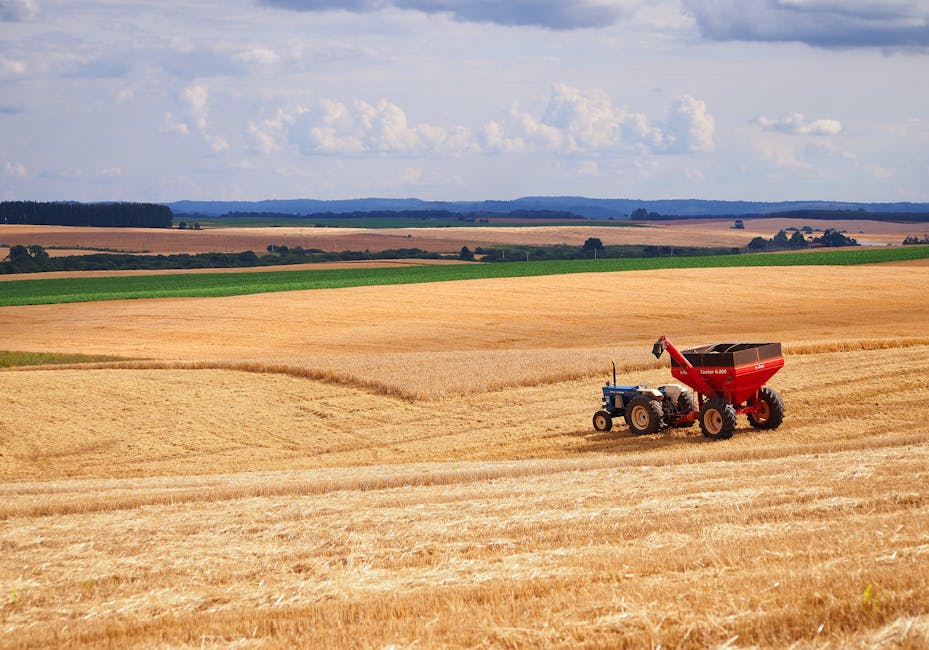
In our modern world, we often seek deeper understanding, particularly concerning the food we eat and how it’s grown. Many farmers and conscious consumers feel a growing disconnect from the natural processes that sustain life. They question whether conventional methods truly foster the highest purity and quality in our sustenance, or if there’s a more profound, life-supporting approach.
The principles of Vedic agriculture offer a pathway to restore this fundamental link between man and nature. It’s a system that doesn’t just focus on organic inputs but integrates consciousness with sustainable farming practices, aligning cultivation with Natural Law. We think food is more than chemical composition, it is a manifestation of nature intelligence.
At Maharishi Vedic Organic Agriculture Institute (MVOAI), founded in July 2000, we are committed to reestablishing the peace between farming, consciousness and the Laws of Nature. Our mission extends to providing rigorous certification and education for those dedicated to these practices. We believe in transparency and validation, which is why we’re excited to delve into the extensive scientific evidence supporting our approach, including the scientific research that underpins Maharishi Vedic Agriculture.
What is Maharishi Vedic Organic Agriculture?
Maharishi Vedic Organic Agriculture is a consciousness-based farming system that applies Vedic knowledge to cultivate food in harmony with Natural Law. It transcends conventional organic standards by integrating specific Vedic technologies, such as the application of Maharishi Yagya and Gandharva Veda, to enliven the intelligence of nature in the soil, plants, and surrounding environment. This approach aims to produce food of the highest purity and quality, promoting health for individuals and the planet.
Our work at MVOAI is rooted in this understanding. We view the farm as a living system, where the farmer’s consciousness, the plant’s growth, and the cosmic cycles are intricately connected. This system goes beyond simply avoiding synthetic chemicals; it actively works to create an environment where plants thrive naturally, imbued with greater vitality and intelligence. The focus is on cultivating an enlightened relationship with nature, allowing agriculture to manifest as a direct expression of nature intelligence. We recognize that true sustainability comes from a deep reverence for the earth and its processes.
“Organic production is an ecological production management system that promotes and enhances biodiversity, biological cycles, and soil biological activity. It is based on minimal use of off-farm inputs and on management practices that restore, maintain, and enhance ecological harmony.”
While the USDA’s definition of organic agriculture is a strong foundation, Maharishi Vedic Organic Agriculture extends this by systematically integrating consciousness-based practices. This added dimension, supported by the principles of Vedic science, works to enliven the inherent self-sufficiency and intelligence of the entire agricultural ecosystem, leading to measurable improvements in crop vitality and environmental balance. This dedication to higher principles allows us to provide certification that ensures producers meet the highest standards of purity and ecological harmony, distinguishing between Maharishi Vedic Agriculture Certification vs USDA Organic: Key Differences in approach.
What Farming Technologies Did People Use in the Vedic Age?
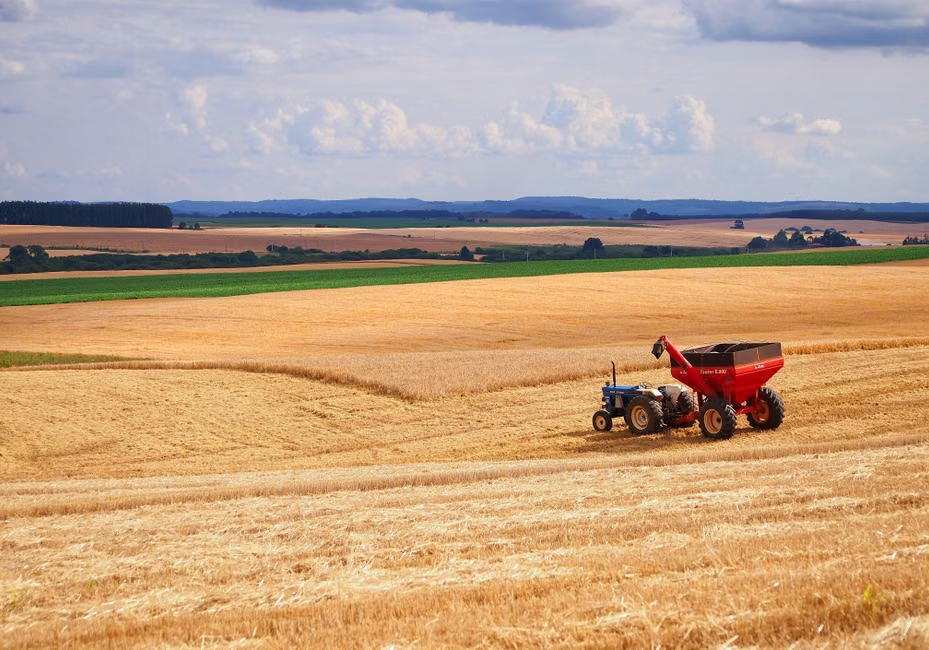
In the Vedic age, farming technologies primarily involved manual labor, animal power, and a deep understanding of natural rhythms and celestial influences. Farmers utilized simple tools like plows drawn by oxen, sickles for harvesting, and traditional irrigation methods. Crucially, their practices were guided by an intuitive knowledge of the seasons, soil fertility, and a reverence for nature, integrating spiritual understanding with practical agriculture.
Ancient Vedic texts, such as the Rigveda and Atharvaveda, contain numerous references to agriculture, depicting an advanced understanding of soil preparation, crop rotation, and seed selection. Farmers of that era didn’t merely cultivate the land; they engaged with it as a living entity. They observed the moon cycles, planetary positions, and seasonal changes to determine optimal planting and harvesting times, reflecting a consciousness-based approach to agriculture. This historical perspective provides the philosophical backdrop for modern Maharishi Vedic Organic Agriculture.
Archaeological findings further corroborate this sophisticated approach, revealing ancient water management systems and storage facilities. While the tools were rudimentary by today’s standards, the underlying principles of working with, rather than against, nature were profound. This ancient wisdom, which recognized the fundamental link between man and nature, serves as the inspiration for the scientific studies validating the technologies used in Maharishi Vedic Agriculture today.
What is the Most Ancient Evidence of Agriculture?
The most ancient evidence of agriculture dates back approximately 12,000 years to the Neolithic Revolution, marking humanity’s shift from hunting and gathering to settled farming. Early sites in the Fertile Crescent, particularly Göbekli Tepe and the Near East, show domestication of wild cereals like wheat and barley. This monumental transition laid the groundwork for complex societies and reflected an early understanding of land stewardship.
This early evidence, documented by institutions like the Smithsonian National Museum of Natural History, highlights how humans began to intentionally cultivate plants, adapting their lifestyles to the rhythms of the earth. From these initial efforts, agricultural practices diversified and spread globally, reflecting humanity’s continuous quest to produce food reliably. The transition was not merely technological; it represented a profound shift in human consciousness and our relationship with the natural world, fostering communities and a deeper connection to the land. You can learn more about this historical context from academic sources like research published by the National Institutes of Health, which details the spread of agriculture and its impact.
Such a long history underscores the critical importance of agriculture to human civilization. While these early practices were purely empirical, they established the foundational understanding of plant life cycles and soil conditions. Maharishi Vedic Organic Agriculture builds upon this ancient heritage, integrating contemporary scientific understanding with time-tested Vedic principles to create a system that is both highly productive and deeply life-supporting. It’s about taking the best of our past and enhancing it with modern scientific validation.
How Does Vedic Agriculture Work? The Mechanism of Consciousness
The mechanism of Maharishi Vedic Agriculture is centered on enlivening Natural Law within the agricultural system through consciousness-based programs. This involves practices like Transcendental Meditation for farmers, Maharishi Yagya performances in agricultural fields, and listening to specific Vedic sounds (Gandharva Veda). These technologies are designed to create a coherent, harmonious environment that enhances the innate intelligence of seeds, plants, and soil, leading to higher vitality and yield.
Unlike conventional methods that often rely on external interventions like chemical fertilizers or pesticides, Vedic agriculture focuses on internal balance and coherence. When farmers practice Transcendental Meditation, their own consciousness becomes more orderly and coherent. This refined state of awareness positively influences their interactions with the land and plants, creating a more nurturing environment. We have seen in our practice how this subtle shift in consciousness translates into tangible improvements in crop health and resilience.
Furthermore, specific Vedic technologies, such as Maharishi Yagya and Gandharva Veda, are applied to gently enliven the underlying Laws of Nature that govern growth and development. These sounds and procedures are precisely calculated to resonate with specific natural frequencies, thereby enhancing the life-supporting qualities of the environment. The result is a system where plants are less susceptible to disease and pests, require less external intervention, and produce food of measurably superior quality and vitality. This aligns with the understanding that nature in turn becomes balanced and supportive when individual and collective life is balanced, as we explain further in Scaling Vedic Agriculture to Increase Production and Global Impact.
“Consciousness itself, viewed as a fundamental aspect of reality, may play a direct role in shaping physiological and even physical processes, suggesting avenues for exploring non-conventional influences on biological systems.”
— National Institutes of Health (referencing general consciousness research)
This perspective, while perhaps new to some, finds parallels in broader scientific discussions about the mind-body connection and the subtle influences on biological systems. It’s a domain where the subjective experience of consciousness meets objective measurement, forming the basis for the more than 600 peer-reviewed scientific studies from over 200 universities that validate various aspects of Vedic technologies, including their impact on agriculture.
What Vedic Agriculture Treats: Enhancing Soil and Crop Vitality
Vedic agriculture doesn’t “treat” in the conventional sense of addressing disease after it appears; rather, it cultivates an environment of optimal health and resilience, preventing problems before they arise. This approach leads to a multitude of benefits for the entire agricultural ecosystem. What you’ll observe in a Vedic field includes:
- Increased Soil Fertility: Enlivening soil microorganisms and enhancing nutrient cycling naturally.
- Improved Crop Yields: Plants thrive in a coherent environment, leading to robust growth and higher production.
- Enhanced Pest and Disease Resistance: Stronger, healthier plants are naturally more resilient to stressors.
- Elevated Nutritional Quality: Food exhibits higher levels of vitamins, minerals, and antioxidants.
- Greater Drought Tolerance: Plants developed within this system show improved water retention and stress adaptation.
- Reduced Need for External Inputs: A balanced ecosystem requires fewer artificial fertilizers or pesticides.
- Superior Taste and Aroma: Consumers often report a more vibrant and natural flavor profile in Vedic-grown produce.
The goal is to move beyond simply “organic” — which primarily focuses on what’s excluded — to actively cultivating a highly vibrant and intelligent farm ecosystem. This is central to our understanding of Organic Agriculture and its highest potential. The results are not just theoretical; they are consistently observed and documented through scientific research.
Suitability and Alternatives: When Vedic Agriculture is the Right Choice
Maharishi Vedic Organic Agriculture is particularly suitable for farmers and food producers who seek to cultivate food of the highest purity and quality, beyond standard organic certification requirements. It’s ideal for those who believe in the fundamental link between human consciousness, environmental health, and the vitality of their crops. This system is a powerful choice for operations aiming for profound ecological balance and nutritional excellence.
However, we recognize that every farm is unique. For producers primarily focused on meeting baseline organic standards without integrating consciousness-based practices, USDA National Organic Program certification remains a highly reputable and widely accepted alternative. For those operating with different philosophical frameworks or resource constraints, other sustainable farming practices like biodynamic agriculture, permaculture, or various forms of regenerative agriculture also offer valuable pathways to ecological stewardship. Each of these approaches contributes positively to environmental health in its own right.
MVOAI, as a USDA-accredited certifier with ISO 65 accreditation, has direct experience certifying organic producers and food processors across diverse scales and systems. We understand the nuances. Our expertise in both USDA National Organic Program certification and the specific principles of Maharishi Vedic Agriculture allows us to guide producers toward the best path for their goals, emphasizing that the highest quality often arises from the deepest connection to Natural Law. The key is to choose a path that aligns with one’s values and commitment to life-supporting agriculture.
What to Expect: Realistic Timelines and Outcomes
When transitioning to or implementing Maharishi Vedic Organic Agriculture, farmers can expect a gradual but profound transformation of their land and crops. Initial changes, such as improved soil workability and reduced pest pressure, may become noticeable within the first growing season. However, the full benefits of enlivened nature intelligence — including consistently higher yields, enhanced nutritional profiles, and sustained ecological balance — typically unfold over two to three years as the land fully adapts to the consciousness-based practices.
This isn’t an overnight fix; it’s a commitment to a holistic system. Farmers practicing Transcendental Meditation will often report increased personal well-being and reduced stress almost immediately, which in turn fosters a more harmonious farming environment. As the soil’s microbiology rebalances and plants grow in a more coherent field, the need for external interventions progressively diminishes. Richard Mort, our founder, has often highlighted that the cumulative effect of these practices is where the true power of Vedic agriculture lies.
The long-term outcome is a resilient, self-sustaining agricultural system that produces food of exceptional purity and vitality, while simultaneously restoring ecological harmony. Patience and consistent application of the Vedic technologies are key. We’ve seen numerous producers achieve remarkable transformations, resulting in crops that truly embody the manifestation of nature intelligence, bringing benefits to both consumers and the environment.
Practical Tips for Integrating Vedic Agriculture Principles
Integrating the principles of Vedic agriculture into your farming practice doesn’t require an immediate overhaul. It can be a gradual, conscious process. Here are 5-6 practical tips to get started:
- Educate Yourself: Begin by learning the foundational principles of Maharishi Vedic Agriculture. Understand how consciousness and Natural Law influence agricultural outcomes.
- Start with Soil Health: Implement organic composting and natural soil amendments to build a vibrant soil ecosystem, recognizing it as the foundation for life-supporting crops.
- Consider Personal Practice: If possible, explore Transcendental Meditation. Many farmers find it enhances their connection to nature and improves their decision-making.
- Observe Natural Rhythms: Pay close attention to lunar cycles, seasons, and ecological indicators. Align your planting and harvesting schedules with these natural timings.
- Minimize Chemical Inputs: Even if not fully certified, reduce or eliminate synthetic pesticides and fertilizers to allow the natural intelligence of your farm to flourish.
- Explore Vedic Technologies: Investigate the application of Maharishi Yagya and Gandharva Veda, which are designed to enliven nature’s intelligence directly in the field.
These steps can help cultivate an environment where your crops thrive, embodying the highest purity and quality. Remember, MVOAI offers extensive educational resources and Organic Certification Programs to support you on this journey, ensuring your practices are aligned with the highest standards of consciousness-based agriculture.
The extensive body of scientific evidence — over 600 peer-reviewed studies — validates the profound efficacy of Maharishi Vedic Organic Agriculture. It’s a testament to a system that honors the fundamental link between man and nature, proving that when we work in harmony with Natural Law, we can cultivate food that truly enlivens health and well-being. For farmers and producers seeking not just organic certification but a deeper, more consciousness-based approach to agriculture, MVOAI stands as a guide and partner. We invite you to explore how these principles can transform your farm and contribute to a healthier, more balanced world.