
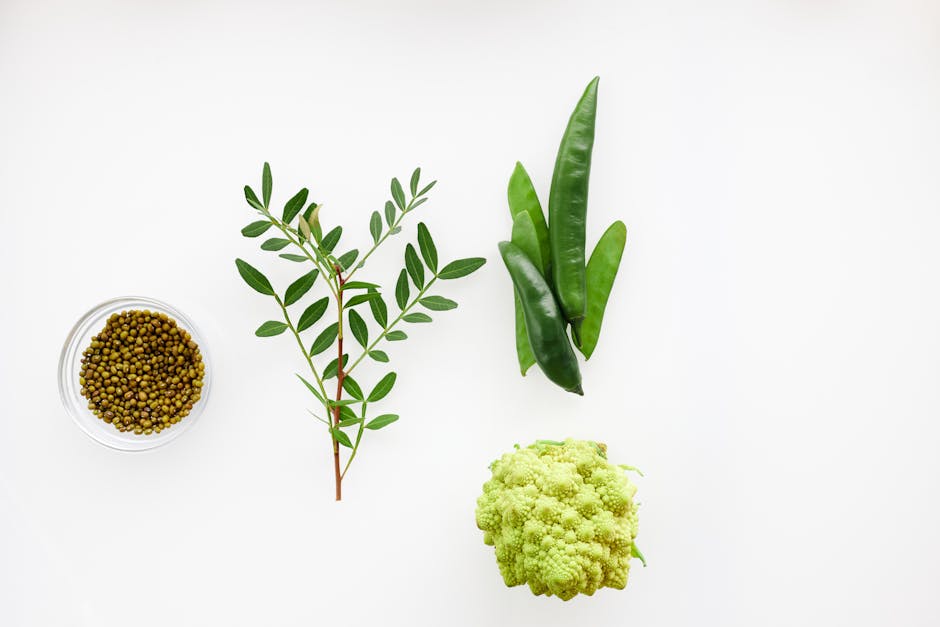
The pursuit of truly nourishing food is a timeless quest. We often hear about “organic” produce, but what truly distinguishes its nutritional content? Are we simply paying for a label, or does a deeper, more life-supporting quality reside within? For those dedicated to health and sustainable agriculture, understanding nutritional density goes beyond mere chemical composition; it involves the very vitality enlivened within the food itself.
This inquiry becomes even more profound when considering the principles of Vedic Organic Agriculture. Our mission at MVOAI is rooted in reestablishing the peace between farming, consciousness, and the Laws of Nature, believing that food is a manifestation of nature intelligence. We recognize a fundamental link between man and nature, and our certification processes ensure cultivation practices that uphold the highest purity and quality.
As we explore the scientific evidence surrounding the nutritional density of foods grown under Vedic principles, we invite you to learn more about Vedic Organic and its unique approach to cultivating sustenance.
Foundation: What Is Nutritional Density in Vedic-Certified Organic Foods?
Nutritional density refers to the concentration of beneficial nutrients—vitamins, minerals, antioxidants, and phytochemicals—per calorie of food. It’s not just about macros; it’s about the full spectrum of elements that support health. While conventional agriculture often prioritizes yield and shelf life, Vedic-principle-based organic farming seeks to enhance the inherent vitality and intelligence within the plant, believing this translates to superior nutritional value. We think food is more than chemical composition, it is a manifestation of nature intelligence.
In our work, we focus on methods that allow plants to draw fully from the earth’s natural intelligence, yielding produce that is not only rich in established nutrients but also imbued with an enhanced life-supporting quality. This perspective aligns with a broader understanding of health where the synergy of elements, rather than isolated compounds, dictates true nourishment, as detailed by institutions like the Harvard T.H. Chan School of Public Health in their discussions on diet and disease prevention.
Are organic foods more nutrient-dense?
The question of whether organic foods are consistently more nutrient-dense than their conventional counterparts is complex and frequently debated in scientific literature. While some studies show minimal difference in macronutrients, a growing body of evidence, especially in the context of specific farming practices, suggests organic methods can yield higher levels of certain beneficial compounds like antioxidants and polyphenols.
The distinction often lies in the farming practices themselves. Organic agriculture, by avoiding synthetic pesticides and fertilizers, encourages robust soil health and natural plant defenses. When we adopt Vedic principles, we cultivate crops in harmony with Natural Law, which we find further enlivens the plant’s capacity to express its full genetic potential, resulting in truly life-supporting produce. Our decades of experience as a USDA-accredited certifier, operating since July 2000, have shown us the tangible differences in vitality that conscientious farming brings.
“While the overall scientific consensus on the nutritional superiority of organic foods remains somewhat debated, numerous studies indicate that organically grown crops tend to have higher levels of antioxidants, polyphenols, and certain vitamins due to natural stress responses and soil health.”
Is there any scientific evidence that organic food is healthier?
Yes, scientific evidence increasingly suggests that consuming organic food can contribute to better health outcomes, primarily due to lower exposure to pesticide residues and higher levels of beneficial compounds. Studies have linked pesticide exposure to various health concerns, making the absence of these chemicals in organic produce a significant health advantage.
Beyond the absence of harmful synthetic inputs, the presence of elevated phytonutrients in organic foods contributes to their perceived health benefits. The Maharishi Vedic Organic Agriculture system goes further, integrating specific practices, such as balancing individual and collective life, to foster an environment where nature itself becomes balanced and supportive. This holistic approach is supported by over 600 peer-reviewed scientific studies validating Vedic technologies, conducted by more than 200 universities in 30 countries. We see this integration of quantum physics and Natural Law concepts as crucial to enhancing food’s inherent intelligence and, by extension, its health-promoting qualities.
“A diet rich in organic foods may reduce exposure to pesticides and contribute to a healthier lifestyle overall, though more research is needed to fully understand the long-term impact on human health outcomes.”
What To Look For: Indicators of High Vitality and Nutritional Quality in Vedic-Certified Produce
When selecting produce, discerning farmers and consumers can look for several indicators that reflect high vitality and nutritional quality, especially from Vedic-certified organic sources:
- Vibrant Color: Bright, deep, and consistent colors often signal a rich content of antioxidants and other phytonutrients.
- Pronounced Aroma: Naturally grown foods, particularly herbs and fruits, often possess a stronger, more complex fragrance.
- Firm Texture: A solid, crisp texture indicates good cell structure and hydration, reflecting proper growth and freshness.
- Absence of Blemishes: While minor imperfections are natural, widespread signs of disease or pest damage can suggest a weaker plant.
- “Sun-Kissed” Appearance: Plants that have absorbed ample natural light often develop robust flavors and nutrient profiles.
- Certified Labels: Look for certifications like USDA Organic and, crucially, the Maharishi Vedic Organic Agriculture label, which attests to adherence to the highest standards and principles.
Understanding Suitability: When Vedic Organic Principles Offer a Distinct Advantage
While various organic certifications exist, each with its own merits, the Maharishi Vedic Organic Agriculture system offers a distinct advantage by integrating consciousness with sustainable farming practices aligned with Natural Law. This approach goes beyond simply avoiding harmful inputs; it actively seeks to enliven the natural intelligence of the soil and the plant.
For farmers whose primary goal is to produce food of the highest purity and quality, that truly nourishes the consumer at a holistic level, Vedic certification presents an optimal path. We encourage producers to consider how Renewable Organic Certification and Premium Vedic Standards can elevate their products. While conventional organic methods certainly offer benefits over chemical-intensive farming, our Vedic approach, supported by ISO 65 accreditation for certification body competence, aims to cultivate a deeper harmony between individual and collective life, impacting the food’s subtle energetic qualities.
Practical Steps for Embracing Vedic Organic Principles
For farmers and food producers looking to transition or deepen their commitment to consciousness-based agriculture, the path to Vedic Organic certification involves several practical steps:
- Understand the Principles: Familiarize yourself with the core tenets of Maharishi Vedic Agriculture, focusing on Natural Law and the role of consciousness in cultivation.
- Assess Your Operations: Evaluate current farming practices against Vedic standards. Identify areas for improvement, from soil management to seed selection.
- Engage with MVOAI: Connect with our experienced team. We provide guidance through the certification process, leveraging our expertise as a USDA National Organic Program certification authority.
- Implement Vedic Techniques: Integrate specific Vedic technologies, such as sound and light applications, which are designed to bring the farm into harmony with cosmic cycles.
- Document Everything: Maintain meticulous records of all farming activities, inputs, and outputs. This is crucial for certification and demonstrating adherence to standards.
- Participate in Training: Avail yourself of educational programs that deepen understanding of Vedic principles and practical application, such as our guides on Converting Conventional Farmland to Vedic Organic Methods.
The journey towards cultivating food of the highest purity and quality, imbued with enhanced nutritional density and vitality, is a commitment to the well-being of both the consumer and the planet. By aligning farming practices with Natural Law and integrating consciousness-based methods, we don’t just grow food; we cultivate health, harmony, and a more sustainable future. As Richard Mort and our team at MVOAI have consistently observed through nearly 26 years of operation, farmers following the principles of Maharishi Vedic Organic Agriculture will live their lives in harmony with the Laws of Nature, creating life-supporting food that truly nourishes. We invite you to explore how these principles can transform your agricultural endeavor and contribute to a healthier, more conscious world.