

Organic farming goes beyond chemical free crops to an awareness movement that is in harmony with human consciousness, ecological balance and technological innovation. By 2026, the organic acreage across the world reaches 100 million hectares, which is growing faster than the conventional one in the context of climate crises. The conscious farming concept brings in mindfulness, ethical stewardship, respect of biodiversity and holistic decision-making that leads to sustainability that restores soil and supplies 10 billion by 2050. Adopt this hybridization in order to have a strong farm.
Regenerative Practices as Foundation
Beyond basic organics to regenerative agriculture: Cover cropping, no-till, and holistic grazing restore topsoil at 1 ton/hectare/year. Farmers conscious of their farms keep livestock with crops in rotation, imitating nature-cows put fields under rotation grazing, increasing carbon sequestration by 20%. Agroforestry includes trees to provide shade, windbreaks, and nut crops and reduce erosion by half. Action: Have soil audited through tests; plant a variety of covers such as clover-rye mixes so that carbon is bound and microbes are nurtured.
Mindful Technology Integration
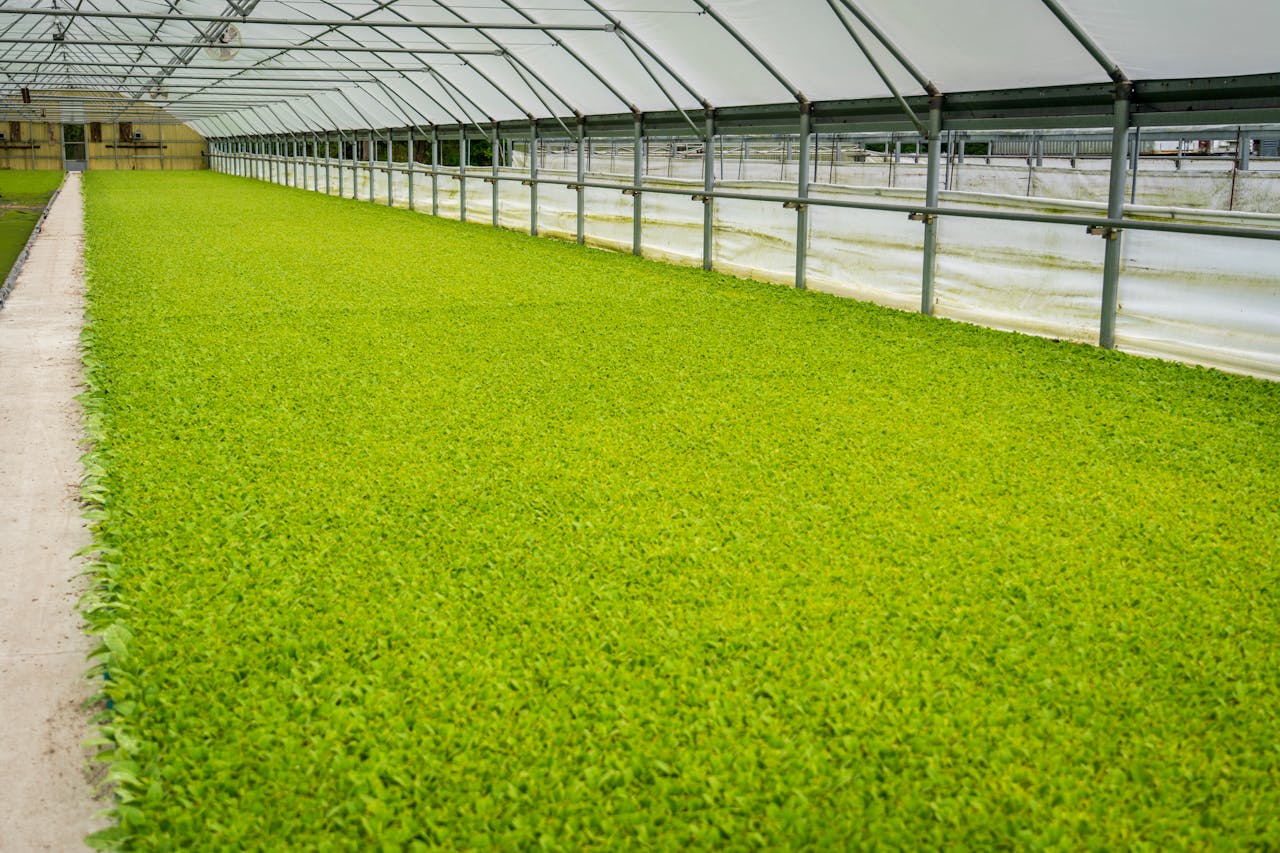
Precision tools enhance the consciousness without artificial crutches. Drones inspect pest quantities through AI, spraying neem oils when necessary only 30 reduction in inputs. The IoT soil sensors monitor the presence of moisture and nutrients in their environment and can be used to provide intuitive irrigation that saves 40% of water. Farm-to-fork is generated by blockchain traces, giving ethical consumers their power. Farmers visualize data boards, matching technology to the cycles of the earth to produce low-impact harvests through intuitive means.
Biodiversity and Ecosystem Consciousness
Conscious organics place emphasis on polycultures: Nematodes are discouraged using marigolds and tomatoes as companions. Predators are promoted by insect hotels and bat boxes, reducing the use of slashing pesticides. Rooftop farms and vertical gardens in urban areas democratize access and produce herbs in urban areas and cool microclimates. International neutral programs such as permaculture areas replenish wetlands, improving pollinator habitat. Metric: Target 30 species or more per hectare in order to reflect natural prairies.
Holistic Farmer Well-Being and Community
People are part of sustainability: Mindfulness retreats learn stress-reducing breathwork through fields, fighting 40% burnout rates. Farmer co-ops exchange information through apps, which encourages wisdom. Seed-saving libraries are heirloom libraries, fighting corporate hybrids. Loyalty, premium pricing holds the smallholders together, is created by consumer education, farm tours, QR-coded stories.
Climate Adaptation Through Awareness
The heat requires foresight instinct: Intuitive weather apps are a combination of satellite data and ancient wisdom. Organical heritage grains such as einkorn are drought resistant. Farming credits on carbon reward sequestration and finance transitions. Swales used to harvest water catch 90% of rainfall and convert arid plots to fertile lands.
Economic Models for Scale
Policy and Education Shifts
Governments subsidize changes using 3-year soil-building grants. Schools actively introduce conscious farming programs where young people are taught to compost and to care about the land. International treaties standardize them making it easier to trade.
Action Plan for Farmers and Advocates
Begin small: Turn 10 percent of the land regeneratively; record journalingly. Local network every year; embrace a new technology. Consumers: Buy organic, inquire origins. Policymakers: Fund research.
Planetary meditation Organic farming is the future of consciousness where it touches soil. Sow now; reap now forever.