

Many individuals today seek a deeper connection to their food source, desiring not only sustenance but also a guarantee of purity and a tangible link to the land where their nourishment originates. There’s a growing awareness of the impact farming practices have on the vitality of our food and, by extension, on our own well-being. This desire often stems from a recognition that industrialized agriculture, while efficient, can sometimes distance us from the life-supporting qualities inherent in nature.
This pursuit of authentic, enlivened food naturally leads to models that emphasize transparency, community, and ecological harmony. Understanding how to access produce cultivated with care, free from synthetic inputs, and in alignment with natural rhythms is a significant step towards greater health and conscious living. It’s about more than just organic; it’s about food that manifests nature intelligence.
At MVOAI, we’re dedicated to educating farmers and consumers about agriculture systems that uphold the highest purity and quality. Our work, built on a 26-year foundation as a USDA-accredited certifier, emphasizes the profound benefits of integrating consciousness into farming. One powerful model for fostering this connection and ensuring the integrity of our food supply is Community-Supported Agriculture, or CSA, which we’ll explore through the lens of Vedic principles. To begin cultivating this understanding, you might find our guide on Starting a Vedic Organic Farm: A Beginner’s Complete Guide particularly useful.
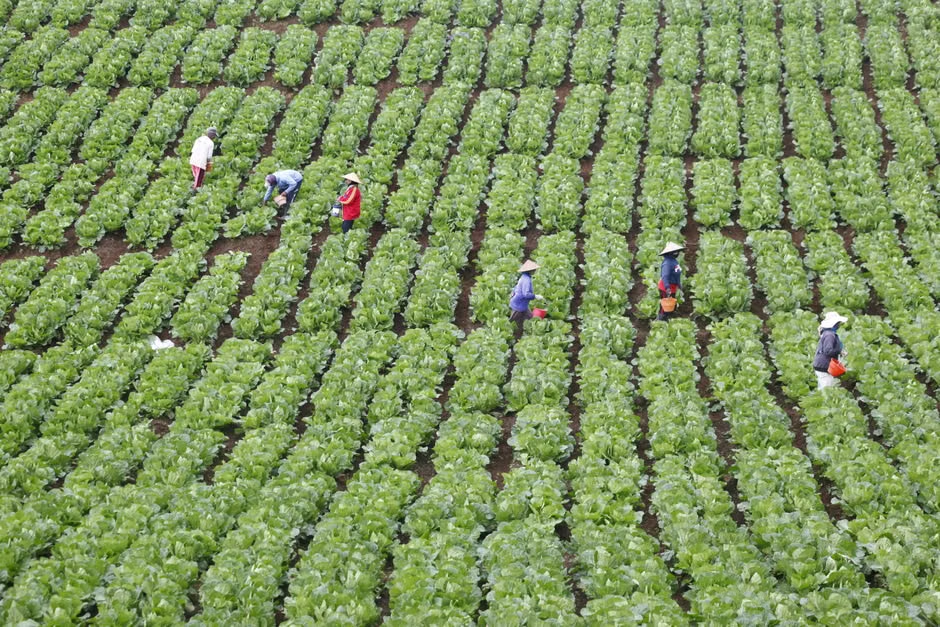
What is a community supported agriculture CSA?
A Community-Supported Agriculture (CSA) model is a direct partnership between consumers and farmers. Members purchase a share of a farm’s harvest at the beginning of the growing season, receiving regular distributions of fresh produce throughout the year. This arrangement creates a vital financial foundation for farmers and provides consumers with direct access to local, seasonal food.
This direct relationship fosters a unique sense of community and shared responsibility. By investing upfront, consumers help farmers cover initial costs like seeds, equipment, and labor, sharing in the risks and rewards of the farming season. It’s an economic model that bridges the gap between producer and consumer, emphasizing locality, seasonality, and mutual support. This approach aligns deeply with the principles of organic farming, where the focus is on ecological balance and consumer health, as detailed in our discussion on Organic Farming.
Many organizations, including the USDA, recognize CSAs as a crucial component of local food systems. According to the National Agricultural Library (NAL), CSAs are a marketing strategy where consumers invest directly in a farm operation, supporting local agriculture and often resulting in fresher, higher-quality produce.
How does community Supported Agriculture work?
The operational framework of a CSA typically involves members paying an annual or seasonal fee to the farm. In return, they receive a weekly or bi-weekly box of seasonal produce, delivered to a central pickup point or directly to their homes. This subscription-based model provides farmers with predictable income and allows them to focus on cultivation, knowing their harvest already has a market.
From the farmer’s perspective, this upfront capital is invaluable for planning and investment. It reduces financial uncertainty, enabling them to invest in practices that enhance soil health and biodiversity. For instance, many Vedic principle-based farms use techniques like those described in our article on Building Soil Health with Vedic Composting Techniques, which require careful planning and material acquisition. The consumer benefits from access to incredibly fresh, often harvested just hours before distribution, produce that retains its full nutritional value and enlivening qualities.
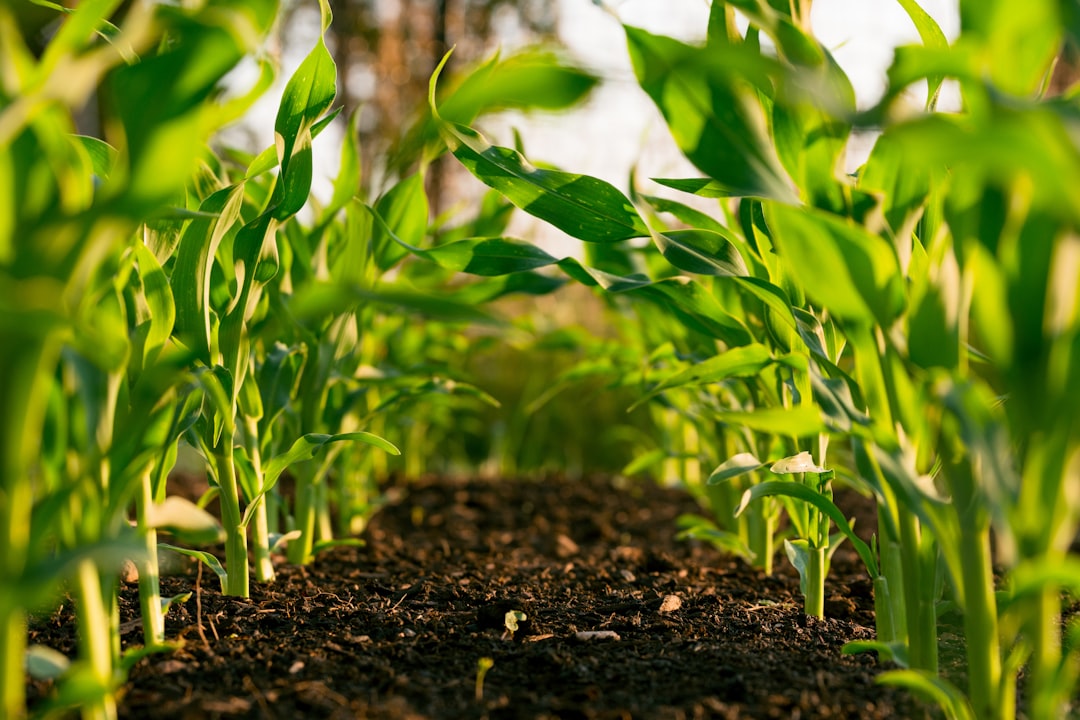
What benefits do farmers gain from a CSA model?
Farmers operating under a CSA model experience significant advantages, primarily financial stability and a strengthened relationship with their community. The upfront payment system provides essential working capital at the start of the season, which is often when expenses for seeds, supplies, and initial labor are highest. This reduces the need for loans and allows for greater investment in sustainable practices.
Beyond the financial aspects, CSAs foster a deep connection between the farmer and the consumers they serve. This direct interaction builds trust and allows farmers to educate their members about the nuances of food production, including the specific benefits of Vedic principle-based agriculture. Farmers receive direct feedback and build a loyal customer base committed to their mission. We find this community support essential when guiding farms through processes like Converting Conventional Farmland to Vedic Organic Methods, as it reinforces their commitment to life-supporting practices.
“Community-supported agriculture provides a valuable model for farmers to secure income, manage risk, and foster a strong sense of community around their farm. This direct relationship can often lead to greater transparency and a shared commitment to sustainable practices.”
Is joining a CSA worth the money?
For many, joining a CSA represents a significant investment in health, community, and sustainable living, making it well worth the cost. While the upfront payment can sometimes seem substantial, the long-term value extends beyond just the monetary price of the produce. Members receive a consistent supply of fresh, high-quality, often organic or Vedic principle-based food, usually at a competitive price compared to buying individual organic items at a grocery store.
However, the value isn’t solely in dollars and cents. You’re supporting a local farm directly, contributing to the economic vitality of your region, and reducing your carbon footprint by consuming locally grown produce. You also gain a deeper understanding of food seasonality and preparation. For those who prioritize convenience, a CSA might require adapting to seasonal availability and potentially incorporating new vegetables into their diet. Alternatives, such as farmers’ markets or direct-from-farm sales, offer more flexibility in choice but may not provide the same level of direct farm support or predictable access to specific produce. The highest purity and quality of food, enlivened by consciousness-based farming, is a core benefit often sought.
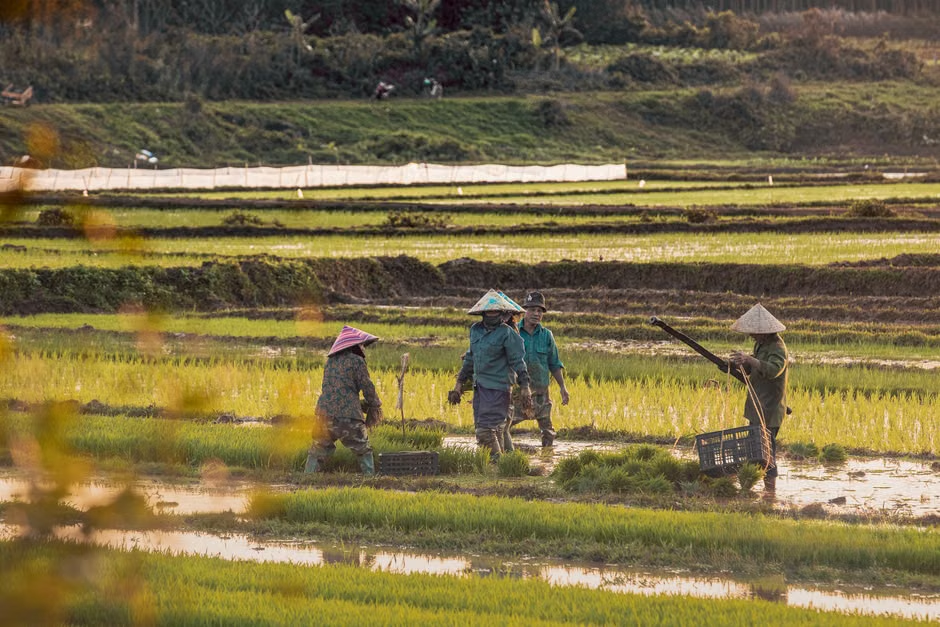
Enlivened Food: What to Expect from a Vedic CSA
When you join a CSA rooted in Vedic principles, you’re not just buying vegetables; you’re investing in food grown in harmony with Natural Law, imbued with life-supporting energy. Our board-certified providers recommend this approach due to the profound impact it has on the quality of food. The produce from a Vedic CSA aims for the highest purity and quality, offering a discernible difference in taste, freshness, and vibrational quality. You can expect a diverse range of seasonal items, reflecting the local ecosystem’s bounty.
A typical Vedic CSA share might include:
- Root Vegetables: Carrots, beets, radishes, potatoes, and sweet potatoes, often harvested at peak sweetness and vitality.
- Leafy Greens: Kale, spinach, lettuce varieties, and Swiss chard, known for their nutrient density and crisp texture.
- Fruiting Vegetables: Tomatoes, peppers, cucumbers, squash, and zucchini, bursting with flavor from natural ripening processes.
- Herbs: Aromatic culinary herbs like basil, cilantro, parsley, and dill, enhancing both flavor and wellness.
- Seasonal Fruits: Berries, apples, or melons, depending on the region and time of year, selected for optimal ripeness.
- Grains or Legumes: Occasionally, shares may include specialty items like heritage grains or dried beans, grown with the same consciousness-based care.
This commitment to producing food that is truly enlivened is central to the Vedic agriculture system. We think food is more than chemical composition, it is a manifestation of nature intelligence. By consciously cultivating crops in this manner, farmers foster conditions where food can deliver its full potential, supporting both individual and collective well-being. Richard Mort, one of our key proponents, often highlights the direct link between such farming practices and the profound quality of the harvest.
“The nutritional quality and health benefits of food can be significantly impacted by farming methods. Practices that support soil biodiversity and natural growth cycles, such as those found in organic and ecological agriculture, tend to yield produce richer in certain beneficial compounds.”
Practical Tips for Engaging with Your Vedic CSA
Maximizing the benefits of your CSA membership involves active engagement and a willingness to embrace the rhythms of nature. Here are some practical tips:
- Understand Your Farm’s Philosophy: Take time to learn about your farmer’s specific Vedic practices. This deepens your appreciation for the food and reinforces your connection to consciousness-based agriculture.
- Embrace Seasonal Eating: Your CSA will deliver what’s in season. Be open to new vegetables and creative cooking. This is a perfect opportunity to expand your culinary repertoire.
- Plan Your Meals: Look at your anticipated share items each week and plan meals accordingly. This helps reduce waste and ensures you use all your fresh produce.
- Preserve the Bounty: When you receive an abundance of certain items, consider preserving them. Freezing, canning, or dehydrating extends the life of your fresh produce, allowing you to enjoy the highest purity and quality year-round.
- Communicate with Your Farmer: If you have questions about specific produce, storage, or even the farming process, don’t hesitate to reach out. Your farmer is a valuable resource and often enjoys sharing their knowledge.
- Participate in Farm Events: Many CSAs offer farm visits, harvest festivals, or workshops. Participating can deepen your understanding of the fundamental link between man and nature and the effort that goes into growing your food. Engaging in practices like Natural Pest Management Without Chemicals: Vedic Farmer Methods often becomes clearer when seen firsthand.
Engaging with a Vedic CSA is more than just subscribing to a food box; it’s a commitment to a life-supporting ecosystem, a direct investment in the health of your community, and a personal journey towards deeper harmony with Natural Law. It ensures that the food you consume is grown with attention to the Unified Field, promoting vitality and balance not just in the crops, but in all who partake. We believe this profound connection between consciousness, agriculture, and the highest quality food is essential for individual and global well-being.